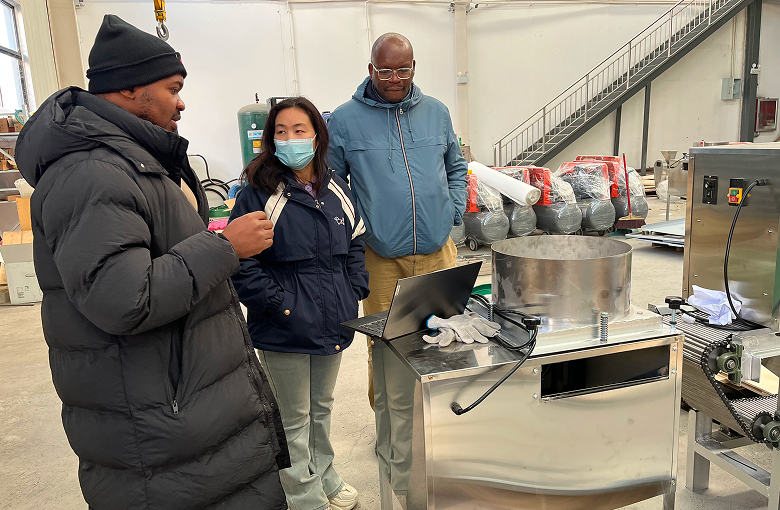
How to Choose The Right Commercial Potato Peeler & Cutter Machine for Restaurants & Food Factories
How to Choose The Right Commercial Potato Peeler & Cutter Machine for Restaurants & Food Factories
For fast food shops, school canteens, central kitchens and frozen vegetable factories, potato preparation takes a huge amount of manual work. Many business owners buy unsuitable potato processing machines, which leads to low working speed, high potato waste and messy kitchen layout. This practical guide will break down 4 mainstream potato machines and teach you how to select the most proper one for your business.
Step 1: Know Four Common Potato Processing Machines on the Market
We split commercial potato root vegetable equipment into four independent types, each designed for different production demands.
-
Drum Washing Potato Peeler MachineThis machine uses soft abrasive brush rollers and water spray to wash mud and peel thin skins at the same time. It works best for potatoes, taro and sweet potatoes with thick dirt on surface. It only finishes washing and peeling without cutting functions. It fits small catering shops that only need peeled whole potatoes, and users can match separate cutting machines later.

-
Potato & Carrot Special Peeler MachineThis targeted peeler optimizes roller hardness for slender root vegetables like carrots, radishes and small potatoes. It avoids over-peeling thin carrots to reduce raw material loss. If your factory processes large quantities of carrots besides potatoes, this single peeler is a cost-effective choice.

-
Potato Washing Peeling & Cutting All-In-One MachineThis integrated model finishes washing, peeling and slicing/cutting in one single machine. Raw potatoes go in from one end, and finished strips or slices come out directly. It saves extra handling steps and cuts labor work. Two capacity sizes are available for small and medium production lines, ideal for canteens and ready-to-cook vegetable workshops.

-
Vegetable Strip Cutter / French Fries Making MachineThis equipment only focuses on uniform cutting for peeled potatoes. It changes interchangeable blades to make french fries, potato slices, wavy chips and vegetable strips. It can be used alone or matched with any peeling machine as a supporting unit. Fast food restaurants that sell large volumes of fries usually choose this cutter as core supporting equipment.


Step 2: Select Machine Based On Your Daily Processing Volume
Daily potato output is the first standard to narrow down your choices.
- Small daily demand (Below 300kg): Drum washing peeler + separate cutter. Two compact machines take little counter space, fit small restaurants and snack bars.
- Medium daily demand (300kg – 800kg): All-in-one potato washing peeling cutting machine. One machine completes all steps to save kitchen space and labor.
- Mixed root vegetable processing (Lots of carrots, radishes): Add the special carrot & potato peeler to your equipment set, to lower peeling waste on slender vegetables.
- Large fast food chain shops: Match drum washing peeler with independent french fry cutter for continuous mass fry production
Step 3: Match Machine Function With Your Final Products
Your finished food decides which machine combination you need.
- Sell whole peeled potatoes only: Choose drum washing potato peeler machine
- Produce carrot sticks, radish strips and peeled root veggies: Pick potato carrot special peeler
- Supply mixed pre-cut vegetables (slices, dices, strips) for canteens: All-in-one washing peeling cutting machine is your top pick
- Main business: Frozen french fries, fresh potato chips: Drum peeler + dedicated french fry strip cutter set
Step 4: Check Universal Key Standards For All Potato Machines
No matter which model you select, these 4 points affect long-term use safety and cost.
- Food Grade SUS304 Stainless Steel All parts touching vegetables must be stainless steel. It resists rust from water and vegetable juice, and can be fully detached for full cleaning to avoid bacteria growth.
- Easy Disassembly & Daily Cleaning Busy kitchens need quick cleaning after each shift. Detachable rollers, blades and water tanks save lots of cleanup time, and stop potato residue from going bad overnight.
- Customizable Voltage For Global Buyers Different countries use different factory power. It should be support voltage adjustment (220V / 380V) to fit local power supply without extra transformers.
- Safety Protection Design All machines install safety covers and overload auto-stop functions. They prevent staff injury during continuous long-hour operation.
Step 5: Compare Separate Single Machines VS All-In-One Machine Set
Many new buyers struggle between buying separate machines or an integrated unit. We list clear differences for reference:
- Separate drum peeler + cutter Advantages: Lower single machine cost, flexible to replace one broken unit without stopping full production. You can add machines step by step as business grows. Disadvantages: Takes more kitchen floor space, needs one extra worker to transfer peeled potatoes between two machines.
- Washing peeling cutting all-in-one machine Advantages: Saves workshop space, one worker can operate the whole flow, less potato waste during transfer. Disadvantages: Higher one-time investment, all steps stop if one small part breaks down.
Suitable Application Scenarios For The Four Potato Machines
These potato processing devices serve a wide range of global commercial clients:
- Fast food restaurants & fry shops
- School, factory and hotel canteens
- Central kitchens supplying chain restaurants
- Frozen vegetable and ready meal processing factories
- Wholesale vegetable washing & peeling workshops

Final Buying Suggestion
Sort out three core data before contacting machinery suppliers: your daily potato processing weight, main finished vegetable products and available kitchen space. Clear production demands help you avoid buying oversized machines or underpowered equipment that cannot keep up with your order volume.
FAQ Section
Related Blogs